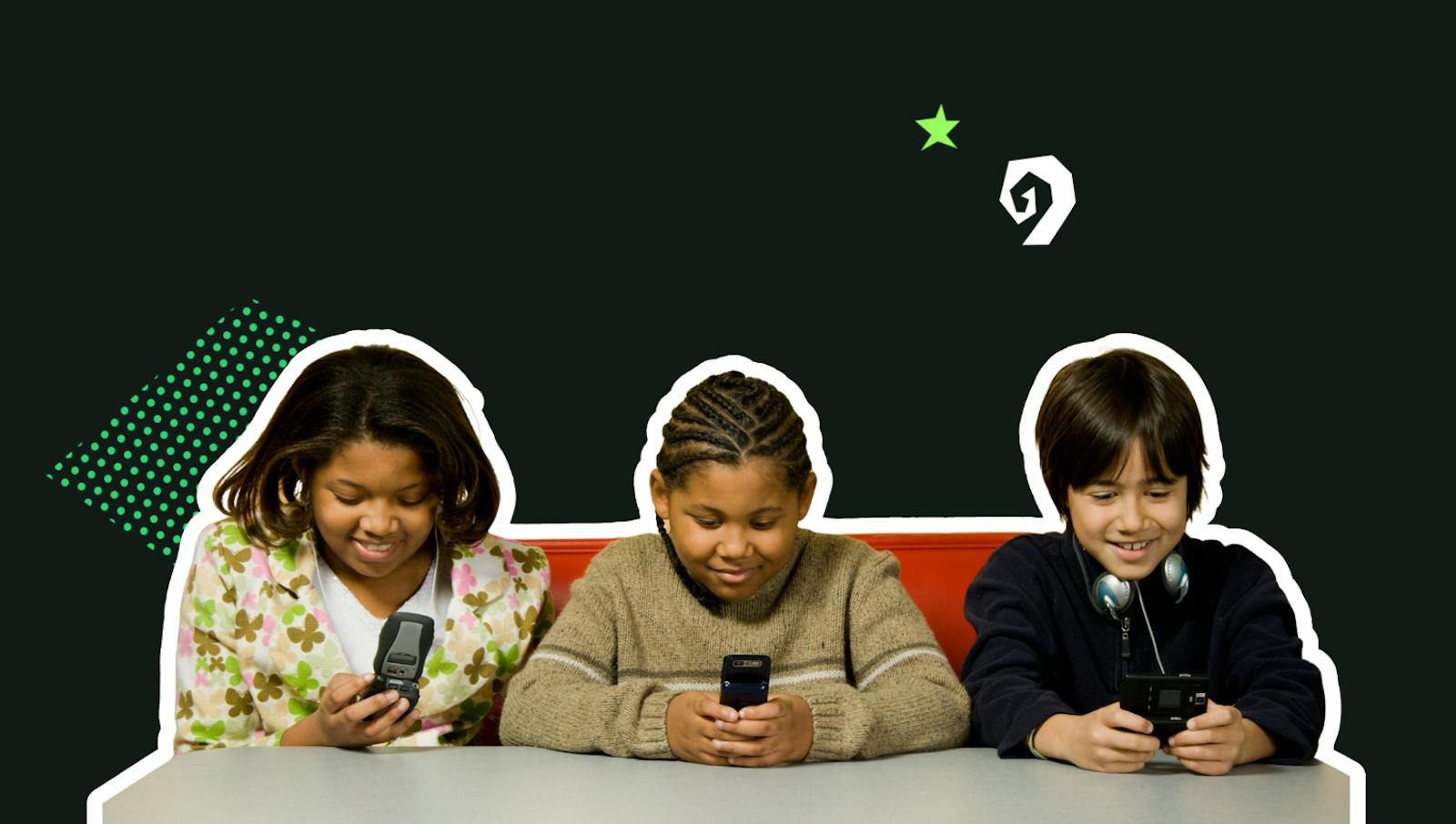
It usually starts with a simple request: "Can I have a phone?" Maybe your kid is walking to school alone for the first time, joining a sports team, or noticing that friends already have one. Suddenly, you're facing one of the biggest parenting decisions of the digital age.
So, what age should a kid get a phone? There's no single magic number. But there is plenty you can do to make the decision easier and to make that first phone a positive experience instead of an overwhelming one.
What the Research Says
Most kids in the U.S. get their first phone somewhere between ages 10 and 12, often around the move to middle school. But "common" doesn't always mean "best."
A recent study published in the journal Pediatrics found that kids who got smartphones before age 12 had higher risks of depression, poor sleep, and obesity, and the younger a kid was when they got the phone, the greater the risk. Other research has found a weaker link, which suggests that how a phone is used may matter as much as when a kid gets it.
The takeaway: the device itself isn't the whole story. Unlimited access to social media, endless scrolling, and unfiltered group chats are where most of the trouble begins. A first phone that's built around connection, not distraction, is a very different thing.
Signs Your Kid Is Ready
Instead of focusing only on age, look at readiness. Ask yourself whether your kid:
Has a real need for a phone, like getting to and from school, activities, or a parent's home.
Follows family rules consistently, including limits on screen time.
Takes care of their belongings and keeps track of things like keys or a backpack.
Comes to you when something feels wrong, whether it's a mean comment or a confusing situation.
Can handle conflict calmly, since group chats can quickly become a source of drama.
If you can say yes to most of these, your kid may be ready for a first step, even if they're not ready for everything a smartphone can do.
Start Small: A First Phone Doesn't Have to Be a Full Smartphone
The question isn't just what age should a kid get a phone, but what kind of phone experience they should get first. Think of it like learning to drive. You wouldn't hand a new driver the keys and point them toward the freeway. You'd start in a quiet parking lot.
A great first phone gives your kid the essentials (calling and texting family, taking photos, listening to music, and finding their way home) without the apps that pull them into endless scrolling. As they show responsibility, you can add more over time. This gradual approach builds trust, teaches healthy habits, and gives your kid room to grow at a pace that works for your family.
Make Their First Phone Calm and Safe with Sage Haven's Simplified Apps
Here's something many parents don't know: iPhones already have a built-in feature called Assistive Access that can turn the entire device into a simpler, calmer experience. Instead of a busy home screen full of icons, your kid sees large, friendly buttons for only the apps you choose. A separate passcode, known only to you, keeps the settings locked in place.
Sage Haven's Simplified Apps walks you through it step by step. You'll learn how to set up Assistive Access, pick the right apps for your kid's age and needs, and pair it with Sage Haven's Safe Messaging and Calling, where you approve every contact and AI moderation helps block harmful messages before they're sent. The result is a phone that feels like a real iPhone to your kid, with the peace of mind you need as a parent.
Ready to give your kid a calm, safe first phone? Get started with Sage Haven's Simplified Apps today.